Solar Systems in Pakistan – A Complete Overview
October 10, 2022
Solar Solutions in Pakistan
October 26, 2022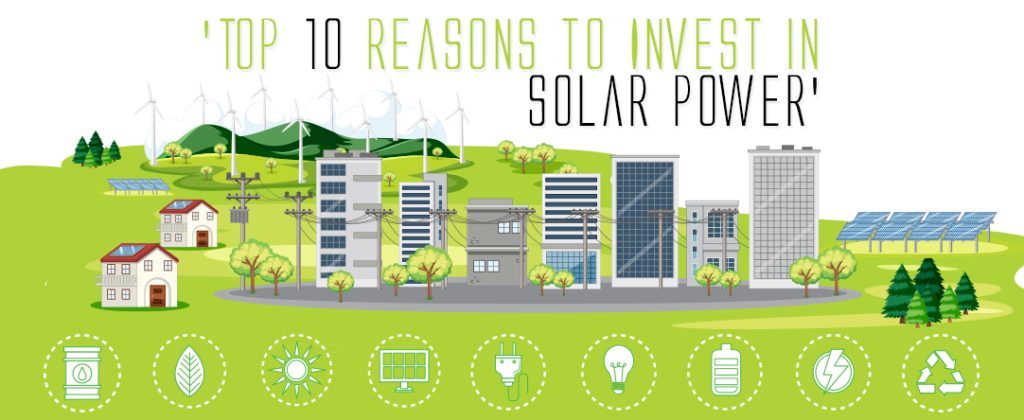
10 Compelling Reasons to Invest in Solar Energy in 2026
With growing global concern about environmental pollution and surging utility tariffs, solar energy has emerged as a safe, sustainable, and cost-effective power source. Fossil fuels release greenhouse gases, pollute urban air, and subject consumers to volatile pricing.
In 2026, investing in a residential or commercial photovoltaic (PV) system provides immediate financial relief and long-term energy security. Below are 10 compelling reasons to transition to solar energy.
1. Clean, Green, Zero-Emission Power
Solar arrays capture sunlight to generate electricity without fuel combustion, sulfur dioxide, or carbon emissions. Transitioning to rooftop solar directly decreases reliance on thermal power plants, lowering urban smog and protecting public health across major population hubs.
2. Complete Energy Independence
Sunlight is abundant, free, and non-depletable. Generating your own electricity shields your property from unpredictable fuel price adjustments (FPA) and grid load shedding, giving you full operational control over your daily power supply.
3. Drastic Reduction in Monthly Utility Bills
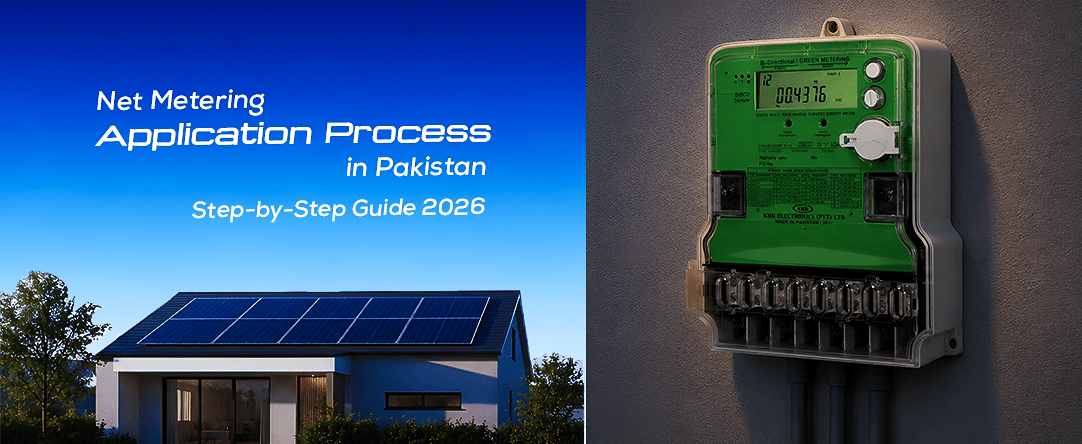
Generating power on-site directly offsets daytime electricity imported from local utility companies (DISCOs). When paired with bi-directional net metering, excess generation feeds back into the grid to earn valuable billing credits, significantly lowering your net monthly electricity overhead.
4. Long-Term Protection Against Tariff Inflation
Utility electricity rates consistently rise over time. High-efficiency PV modules carry operational warranties of 25+ years, effectively locking in your electricity generation costs for decades and safeguarding your household budget against inflation.
5. Increased Real Estate Property Valuation
Properties equipped with compliant, turnkey solar power systems command higher resale values and sell faster. Prospective buyers recognize solar setups as long-term financial assets that lower future monthly living expenses.
6. Versatile, Scalable System Designs
| Installation Parameter | Deployment Options |
| Roof Mounting | Concrete flat roofs, elevated iron structures, or sloped metal sheets |
| Specialized PV Tech | High-wattage Bifacial N-Type panels for limited space |
| Inverter Flexibility | On-grid, off-grid, or seamless hybrid switching |
| Storage Options | Scalable Lithium-ion battery banks for night backup |
7. Rapid Financial Payback Period
Declining component costs combined with high retail electricity tariffs have shortened the investment payback period. Most residential and commercial solar installations achieve complete capital recovery within 2.5 to 4 years, delivering virtually free power for the remaining 20+ years of system life.
8. Net Metering & Grid Export Revenue
Under bi-directional net metering frameworks, excess daytime energy exports directly to the regional DISCO grid. These exported units offset nighttime power consumption, turning your rooftop into a clean, credit-generating energy asset.
9. Enhanced Commercial Brand Image & Operational Margins
For commercial enterprises, going solar reduces operational expenses while showcasing a commitment to environmental stewardship. Adopting green energy strengthens brand reputation, satisfies corporate ESG targets, and attracts eco-conscious clients.
10. Reliable Off-Grid Power for Remote Areas
In rural or agricultural regions without grid access, solar energy powers vital machinery:
-
Solar Water Pumping: Replaces expensive diesel tube wells for crop irrigation.
-
Micro-Grids & Rural Clinics: Supplies continuous power for vaccine refrigeration, lighting, and communication devices.
-
Agricultural Cold Storage: Maintains farm produce quality without diesel generator dependence.
Advanced Hardware Solutions by Maxpower
Maximizing generation yield requires deploying climate-resilient hardware specifically engineered for local grid and ambient conditions. Equipment available through maxellpower.com delivers industry-leading reliability:
-
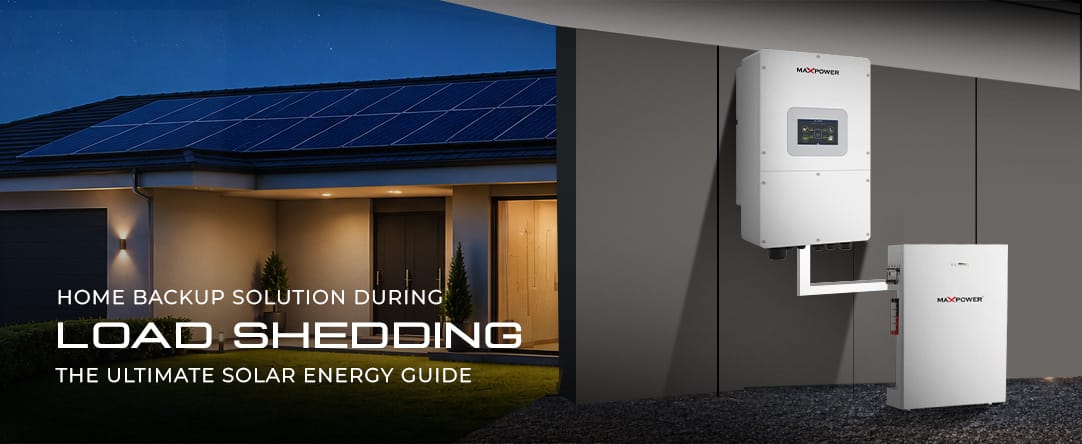
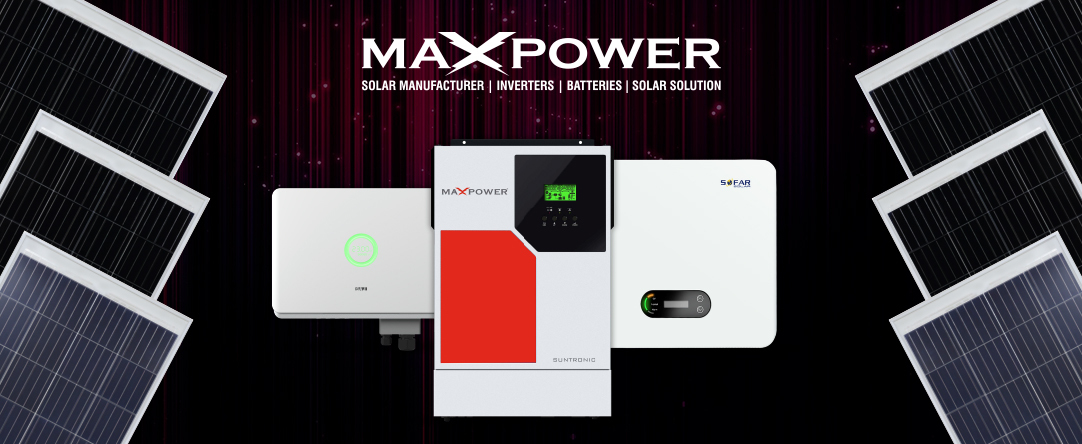
Hybrid Inverters: Models like the Maxpower PV Tech 5000 (3.6 kW rated output, 5000W PV input) feature a wide MPPT operating range (40–450VDC) and ultra-fast 10 ms transfer times during load shedding.
-
High-Density Energy Storage: Deep-cycle Maxpower MP-5000 Alpha Lithium Batteries (5.12 kWh capacity with 6,000+ cycle life) ensure continuous night backup and fast charging.
-
Climate-Adapted PV Modules: High-efficiency solar panels designed to deliver peak output even during extreme summer heat or winter haze.
To explore system sizing guides, check out our articles on buying the best solar inverter for residential use and net metering frameworks in Pakistan. Discover full product specifications on the official Maxpower Solar Catalog.
Frequently Asked Questions
How long do modern solar panels last?
Tier-1 photovoltaic panels are built for long-term durability, carrying a linear performance warranty of 25 to 30 years while retaining over 80% of their original generation efficiency.
Will a hybrid solar inverter work during load shedding?
Yes. A hybrid solar inverter automatically disconnects from the grid during an outage and switches to battery backup in under 10 milliseconds, providing uninterrupted power to connected loads.
Can I run air conditioners on a 3.6 kW solar inverter?
Yes. Inverters like the Maxpower PV Tech 5000 can support a 1.5-ton inverter air conditioner alongside basic household appliances during peak daylight hours.
How does net metering reduce monthly bills?
A bi-directional net meter tracks energy imported from and exported to the grid. Exported daytime solar credits offset the cost of electricity imported at night, lowering or neutralizing your total bill.
What maintenance is required for a home solar setup?
Solar PV arrays require minimal upkeep. Routinely washing dust, soot, and bird droppings off panel surfaces once or twice a month ensures maximum light absorption and energy yield.