Best Solar Panels In Pakistan
October 3, 2022
Top 10 Reasons to Invest in Solar Power
October 17, 2022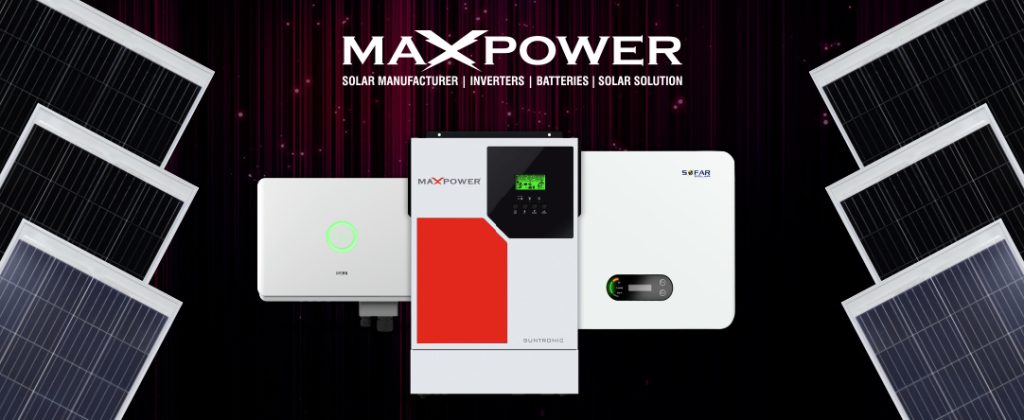
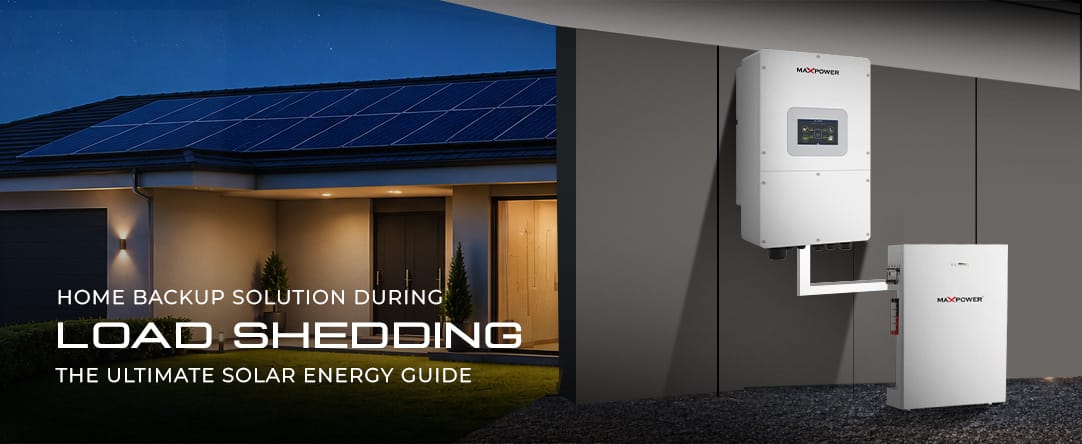
Tired of paying hefty electricity bills every month? Switching to a solar system is a smart move that can bring peace of mind—no more worrying about load shedding or unpredictable electricity costs. Solar systems provide efficient, environmentally friendly energy for your home or business and help you become more independent in your day‑to‑day power supply.
If you’ve decided to go solar but aren’t sure how to choose the right system, this guide will walk you through the key points, pros and cons, and what to look for in a solar provider.
The Best Solar Panel Company in Pakistan?
Choosing the right company is crucial when investing in solar panels. You need a provider with reliable products, professional installation, and strong after‑sales support. In Pakistan, MaxPower stands out as a trusted name in solar energy.
MaxPower is one of the few companies that assembles solar panels locally in Pakistan, which helps keep costs competitive while maintaining quality. This local presence also means faster service, better support, and products tailored to local conditions. Whether you’re looking for residential, commercial, or agricultural solutions, MaxPower offers a range of solar systems designed to meet different needs and budgets.
Components of a Solar System
A typical solar power system consists of three main components:
- Solar Panels capture sunlight and convert it into DC electricity.
- Solar Inverter – converts DC electricity from the panels into AC electricity for your appliances.
- Solar Batteries – store excess energy for use when the sun isn’t shining (optional in on‑grid systems, essential in hybrid and off‑grid setups).
MaxPower provides all these components, ensuring compatibility and performance across the entire system.
Solar Panels
MaxPower offers different types of panels to suit various requirements:
- MaxPower 170W Polycrystalline Solar Panel – a cost‑effective option for general residential and small commercial use.
- MaxPower 200W Monocrystalline Solar Panel – higher efficiency, better performance in limited space, ideal where you want maximum output.
Monocrystalline panels generally offer higher efficiency and better performance in high temperatures, while polycrystalline panels are more budget‑friendly.
Solar Inverters
MaxPower’s inverters are designed for reliability and compatibility with local grid conditions. Some examples include:
- Sunbridge 3000 Off‑Grid Inverter
- Sunbridge 4000 Off‑Grid Inverter
- Sofar Single‑Phase Dual MPPT Inverter
- Sofar Three‑Phase Dual MPPT Inverter
- Suntrio Plus 10K On‑Grid Three‑Phase Inverter
These inverters support different system types (on‑grid, off‑grid, hybrid) and various load capacities, making it easier to match the inverter to your specific needs.
Solar Pump Controllers
For agricultural and water pumping applications, MaxPower offers solar pump controllers with capacities ranging from 4 kW to 55 kW. These controllers work with solar modules to power DC or AC pumps, enabling efficient water extraction without relying on the grid.
Types of Solar Solutions
MaxPower provides tailored solutions for residential, commercial, and agricultural customers.
Residential Solutions
Whether you live in an apartment, a small house, or a large villa, MaxPower has solar systems to fit:
- 1–50 kW solar panel systems available for homes.
- Options include on‑grid, off‑grid, and hybrid systems.
- Professional installation and after‑sales service ensure long‑term performance.
Residential systems help you cut electricity bills, reduce dependence on the grid, and enjoy uninterrupted power during outages (with hybrid or off‑grid setups).
Commercial Solutions
Commercial units—such as hospitals, plazas, offices, and factories—often face high electricity costs and reliability issues. MaxPower’s commercial solutions include:
- 15–100 kW solar panel systems.
- On‑grid, hybrid, and off‑grid options.
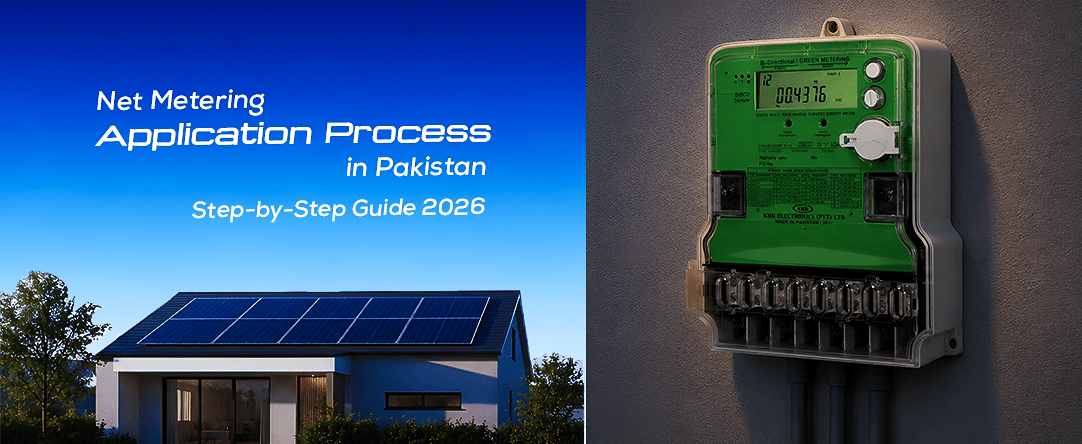
- Net metering support to export excess energy and earn credits or payments.
By lowering electricity expenses and improving energy reliability, solar can significantly boost profitability for businesses.
Agricultural Solutions
In rural and agricultural areas, access to reliable electricity and water is critical. MaxPower’s solar water pumping solutions (solar tube wells) offer:
- Independence from grid power and fuel costs.
- Easy installation and low maintenance.
- Long service life—often 20+ years with proper care.
- Compatibility with drip irrigation for efficient water use.
These systems are especially valuable in remote agricultural zones where grid electricity is unavailable or unreliable.
How Solar Water Pumps Work
Solar water pumps use an array of solar modules connected in series or parallel. A built‑in controller and variable frequency drive (VFD) manage the power from the panels to the pump motor. This setup allows water to be drawn from surface sources or underground wells using DC or AC pumps, depending on the design.
Key advantages:
- No fuel or grid dependency – runs entirely on solar energy.
- Scalable – system size can be matched to water requirements.
- Environmentally friendly – no emissions and minimal noise.
Benefits of Solar Panels
Solar panels offer several important benefits:
- Cost Reduction
Solar energy can significantly lower your electricity bills, especially in countries like Pakistan where tariffs are high and rising. - Renewable and Sustainable
Solar power relies on sunlight, an abundant and renewable resource. Unlike fossil fuels, it doesn’t deplete over time. - Low Maintenance
Solar panels have no moving parts and generally require only occasional cleaning and basic inspections. This makes them easy to maintain compared to many other power systems. - Energy Independence
With the right system design (especially hybrid or off‑grid), you can reduce your dependence on the grid and enjoy more reliable power. - Environmental Benefits
Solar energy produces no air pollution or greenhouse gases during operation, helping reduce your carbon footprint and improve local air quality.
Types of Solar Systems
There are three main types of solar power systems:
On‑Grid Solar Systems
- Connected directly to the public electricity grid.
- No batteries required.
- Excess energy is exported to the grid via net metering, earning credits or payments.
- Pros: Lower upfront cost, high efficiency, net metering benefits.
- Cons: No power during grid outages (system shuts down for safety).
Off‑Grid Solar Systems
- Completely independent of the grid.
- Includes batteries to store energy for use at night or during cloudy weather.
- Pros: Full energy independence, ideal for remote areas.
- Cons: Higher cost due to batteries, more complex design and maintenance.
Hybrid Solar Systems
- Combines grid connection with battery storage.
- Can use solar, battery, and grid power as needed.
- Provides backup during outages and allows energy management (e.g., using stored solar during peak tariff hours).
- Pros: Backup power, flexibility, potential savings through time‑of‑use optimization.
- Cons: Higher initial investment than on‑grid systems.
Choosing the right type depends on your budget, local grid reliability, and whether you need backup power.
Night‑Time and Monitoring Solutions
Night‑Time Power with Net Metering
On‑grid and hybrid systems can help with night‑time energy needs:
- Net metering allows you to send excess solar energy to the grid during the day and draw it back at night (or during low‑production periods). This effectively uses the grid as a “virtual battery.”
- Hybrid systems also use physical batteries (e.g., LiFePO4) to store energy for nighttime use and outages.
Online Monitoring
MaxPower offers several online monitoring options to track your system’s performance:
- eSolar Air – for monitoring SAJ inverters; provides real‑time data and system status.
- Solar Power – an Android app for hybrid grid inverters; shows device status, configuration, history, and alerts.
- Solarman Smart – a global monitoring app with PV monitoring, plant data analysis, and comprehensive performance tracking.
- Power Data Center – uses a web box integrated with the inverter; allows monitoring via computer or mobile app, with features like location management, device management, and user management.
These tools help you:
- Monitor energy production and consumption.
- Detect issues early (e.g., shading, faults, or drops in output).
- Optimize system performance and verify savings.
Conclusion
Switching to solar energy can transform your relationship with electricity—reducing bills, improving reliability, and supporting a cleaner environment. By understanding the components, system types, and benefits, you can make an informed decision that matches your needs and budget.
When choosing a solar provider, look for:
- Local experience and manufacturing/assembly – for better support and cost control.
- Quality components – panels, inverters, and batteries with good warranties.
- Professional installation and after‑sales service – crucial for long‑term performance.
- Monitoring and support tools – to keep track of your system’s health.
MaxPower combines these elements, offering a range of solar solutions for homes, businesses, and farms across Pakistan. Whether you buy online or visit a MaxPower store, keeping these factors in mind will help you select the best solar system for your situation and start enjoying the benefits of solar energy.